
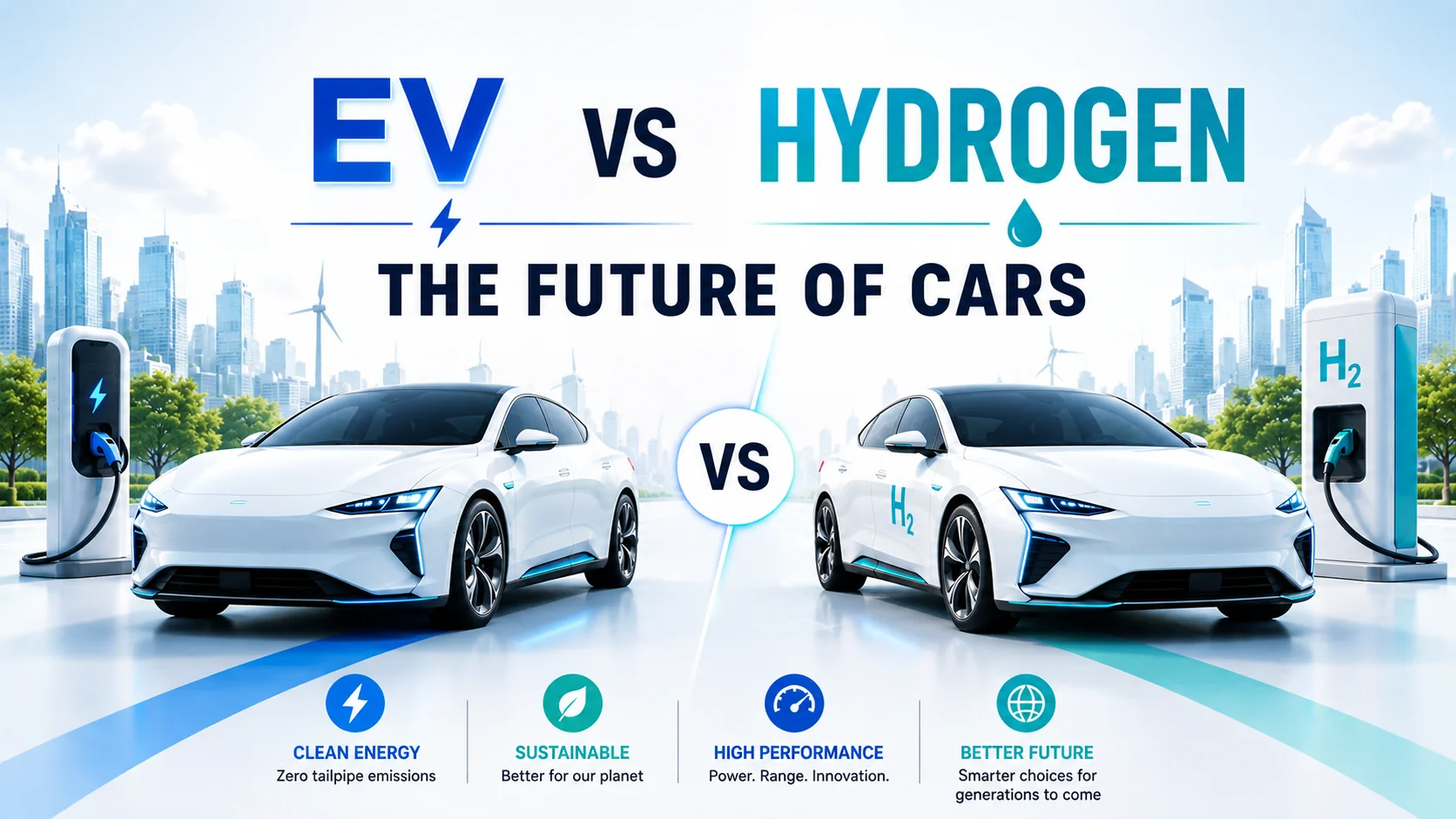
Electric vehicles may dominate headlines, but hydrogen cars are quietly making a comeback. Here’s a realistic look at the hydrogen vs. EV debate and what the future of transportation could actually look like.
A few years ago, the answer seemed obvious.
Electric vehicles were everywhere. Carmakers were launching EVs almost every month, governments were pushing electric mobility plans, and companies like Tesla completely changed how people viewed electric cars.
At the same time, hydrogen vehicles slowly faded into the background.
Most people assumed the race was already over.
But recently, something interesting has happened. Hydrogen hasn’t disappeared. In fact, some companies are investing in it more seriously than ever.
And now, the conversation suddenly feels open again.
When EVs Started Taking Over
There was a time when electric cars felt unrealistic.
People worried about charging stations, battery life, and driving range. Then modern EVs arrived and changed everything. Suddenly, electric cars became fast, stylish, and practical enough for everyday use.
That shift happened quickly.
Today, EVs dominate conversations about the future of transportation. In many countries, they already feel like the default direction for the industry.
But while the spotlight stayed on batteries, hydrogen technology quietly kept evolving in the background.
Then Hydrogen Started Showing Up Again
One of the reasons hydrogen is getting attention again is because it’s no longer limited to concept cars and lab experiments.
Back in 2021, Toyota entered a hydrogen-powered Corolla into the Super Taikyu endurance racing series at Fuji Speedway in Japan.
And this wasn’t just a slow demonstration run.
The car actually raced under real conditions.
The engine burned hydrogen instead of gasoline, and the goal was simple: test whether hydrogen combustion could survive intense racing environments.
Former chairman Akio Toyoda even joined some racing sessions himself under the nickname “Morizo.”
That made the project feel much more serious.
Not like marketing.
More like a company quietly trying to prove hydrogen still has a future.
The Real Difference Between EVs and Hydrogen Cars
At first glance, both technologies seem very similar because they’re trying to solve the same problem: reducing emissions.
But they work in completely different ways.
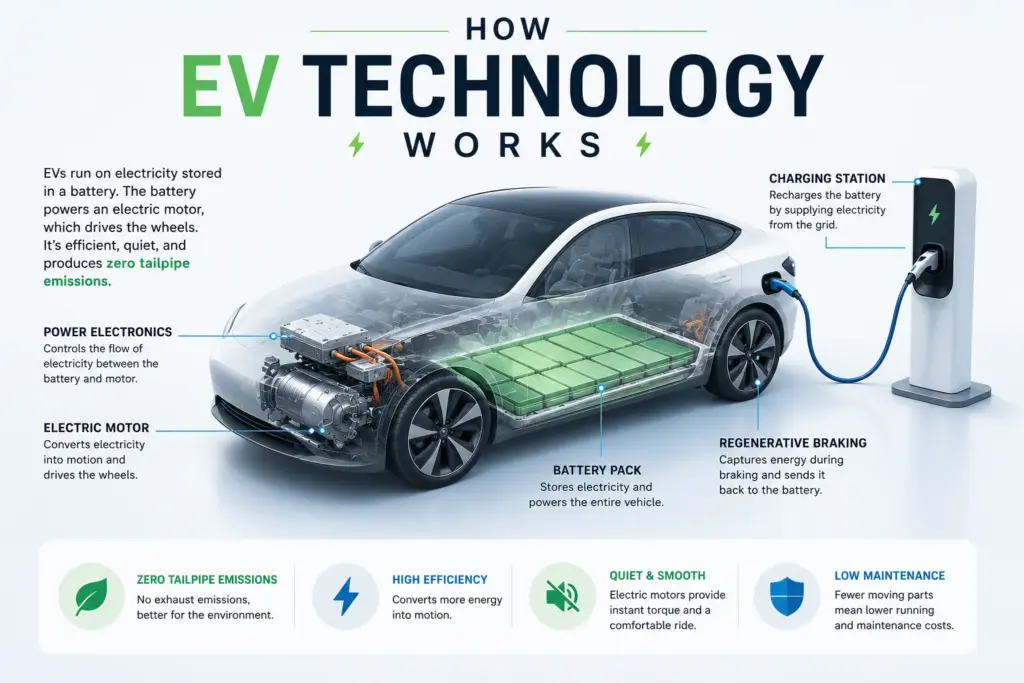
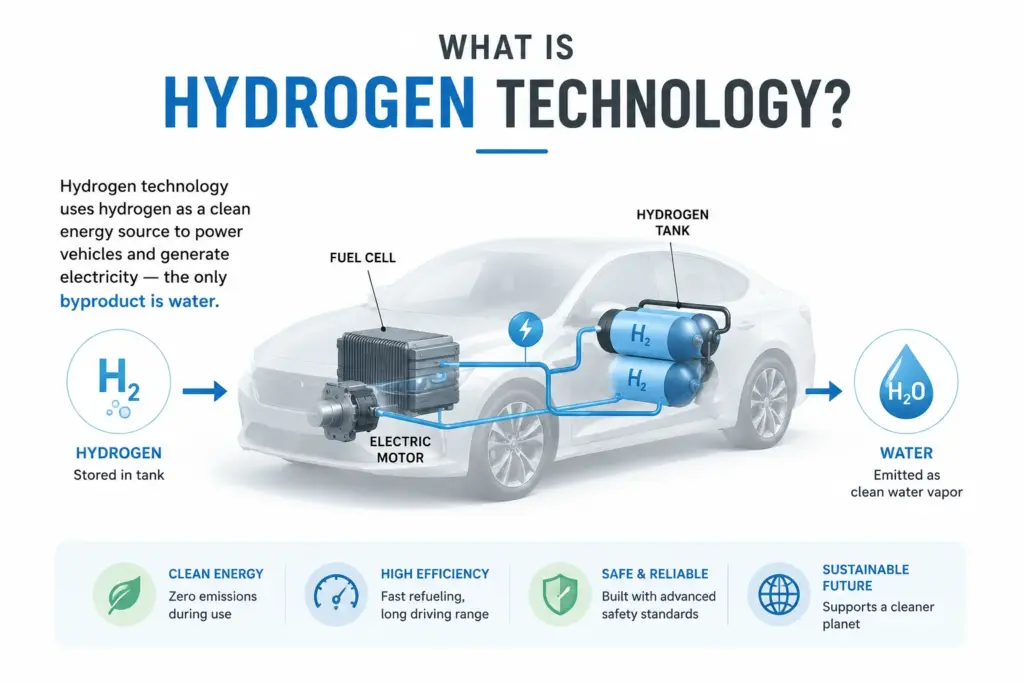
Electric vehicles store electricity inside large battery packs. Hydrogen vehicles use hydrogen fuel through either fuel cells or hydrogen combustion engines.
For regular drivers, the biggest differences usually come down to:
- Charging time
- Driving range
- Infrastructure
- Cost
Quick EV vs Hydrogen Comparison
| Feature | Electric Vehicles (EVs) | Hydrogen Vehicles |
|---|---|---|
| Refueling Time | 30 mins to several hours | Around 3–5 minutes |
| Infrastructure | Charging stations growing fast | Limited hydrogen stations |
| Best For | Daily city driving | Long-distance & heavy transport |
| Vehicle Cost | Becoming more affordable | Still expensive |
| Environmental Impact | Very low emissions | Very low emissions |
| Biggest Challenge | Charging speed | Infrastructure availability |
Why Hydrogen Makes More Sense for Trucks
This is where the debate gets really interesting.
For regular city driving, EVs already work well for many people. Most drivers don’t travel huge distances every day, so charging overnight is usually enough.
But heavy trucks are completely different.
Long-distance freight vehicles carry huge loads, travel for hours, and often can’t afford long charging breaks.
That’s why many companies are exploring hydrogen for commercial transportation.
Quick Example
Imagine a logistics company operating hundreds of delivery trucks every single day.
If every truck needs hours of charging, schedules become difficult very quickly. Hydrogen trucks can refuel within minutes and continue operating almost immediately.
For businesses, that matters a lot.
That’s one reason hydrogen truck projects are growing in places like California, where companies are testing fuel-cell freight systems near major shipping ports.
Even Industry Leaders Don’t Agree
One reason this topic feels so interesting is because some of the biggest names in business completely disagree about it.
Elon Musk has criticized hydrogen cars several times, arguing that battery-electric vehicles are simply more practical.
Others see things differently.
Akio Toyoda has repeatedly argued that the world shouldn’t depend on just one clean-energy solution.
One of his most famous lines was:
“The enemy is carbon, not a particular powertrain.”
And honestly, that’s probably the most realistic way to look at it.
This may not end with one clear winner.
So Which Technology Will Actually Win?
Right now, EVs are clearly ahead.
Charging networks are expanding quickly, battery technology keeps improving, and governments around the world are heavily supporting electric vehicles.
Hydrogen still faces major challenges:
- Limited fueling stations
- Expensive infrastructure
- High production costs
That’s why hydrogen passenger cars still feel rare in most countries.
But completely dismissing hydrogen may also be a mistake.
Many experts now believe the future could split into different roles:
- EVs for personal and city driving
- Hydrogen for trucks, shipping, and industrial transport
And honestly, that sounds far more realistic than expecting one technology to solve everything.
The future may be more complicated than we expected.
A few years ago, the future seemed simple.
Most people thought electric vehicles would eventually replace everything else.
Now, the picture looks more complicated.
Battery technology is improving quickly, but hydrogen is quietly evolving too. Companies are still testing it, investing in it, and trying to solve the problems that once made the technology feel impossible.
Will hydrogen replace EVs completely?
Probably not.
Will EVs completely eliminate hydrogen?
That suddenly feels unlikely too.
And maybe that’s the real answer.
The future of transportation may not belong to one technology at all.
It may end up being a mix of both.
Read More: In Hydrogen vs. Electric Cars Comparison, Who Wins?
FAQs
What is the main difference between EVs and hydrogen cars?
EVs run on battery-powered electricity, while hydrogen vehicles use hydrogen fuel through fuel cells or combustion engines.
Why are EVs more popular right now?
EV infrastructure is growing faster, charging stations are becoming more common, and battery technology has improved significantly in recent years.
Why are companies still investing in hydrogen?
Hydrogen may work better for heavy trucks, industrial transport, and long-distance travel where fast refueling is important.
Are hydrogen cars environmentally friendly?
Yes. Hydrogen vehicles produce very low emissions, with water vapor being the main byproduct in many systems.
What is the biggest problem with hydrogen vehicles?
The biggest challenge is infrastructure. Hydrogen fueling stations are still limited in many countries.
Will hydrogen replace electric vehicles?
Probably not completely. Many experts believe EVs and hydrogen vehicles may eventually serve different transportation needs.