

Discover 5 simple daily habits that can improve your focus, sleep, energy, and mental well-being without complicated routines. Easy lifestyle tips anyone can follow.
Most people want healthier routines.
Better sleep. More energy. Less stress. Improved focus.
But the internet often makes self-improvement feel exhausting before you even begin.
Wake up at 5 AM. Follow a strict routine. Exercise for two hours. Avoid every unhealthy habit completely.
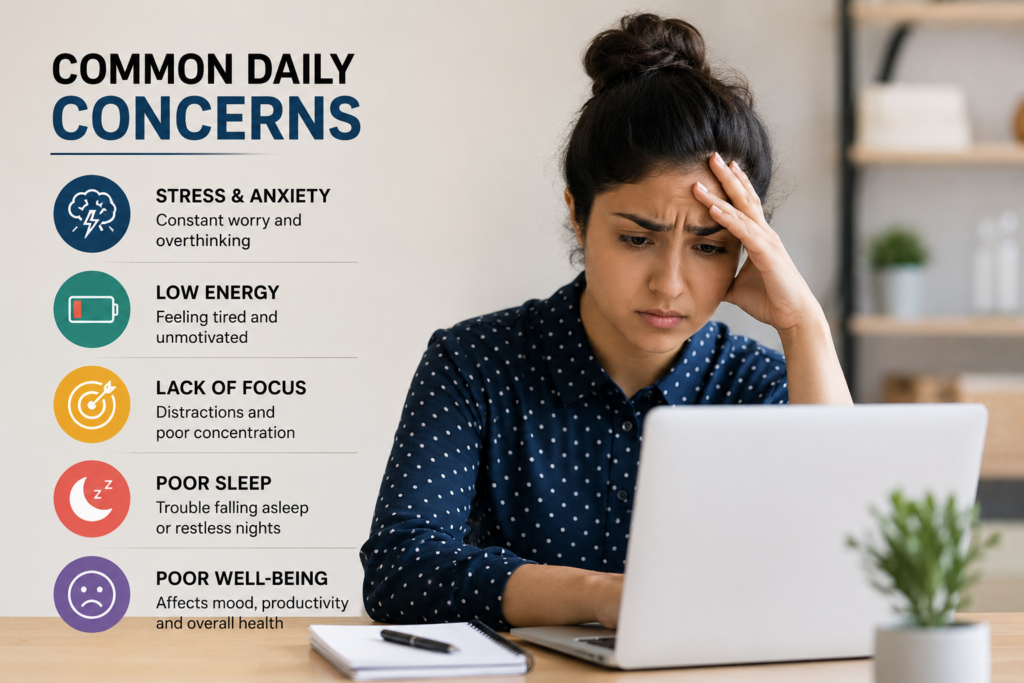
For most people, that approach doesn’t last.
Real lifestyle improvement usually comes from small habits that are easy to repeat consistently.
Over the past few years, I’ve personally experimented with different routines while balancing work, screen time, deadlines, and everyday distractions. What actually worked wasn’t extreme discipline. It was simple habits that fit naturally into daily life.
Here are five realistic daily habits that can genuinely improve your physical and mental well-being over time.
1. Start Your Morning Without Immediately Checking Your Phone
One of the biggest modern habits is reaching for the phone within seconds of waking up.
Emails. Instagram. WhatsApp. News notifications. Short videos.
Your brain goes from resting mode to information overload instantly.
I noticed this was affecting my mood and focus early in the day. On mornings when I avoided my phone for even 20 minutes, I felt calmer and less mentally rushed.
Instead of scrolling immediately, try:
- Drinking water
- Stretching
- Sitting quietly
- Going for a short walk
- Planning your day
- Reading a few pages of a book
It sounds simple, but it changes how your brain starts the day.
Why This Helps
Constant digital stimulation increases mental fatigue.
A quieter morning gives your mind time to wake up naturally before reacting to external information.
2. Move Your Body Every Day, Even a Little
You do not need an intense workout routine to feel healthier.
One of the most effective habits is simply moving consistently.
Many people spend most of the day sitting, especially those working on laptops or using phones constantly.
Daily movement improves: 
- Energy levels
- Mood
- Sleep quality
- Focus
- Physical health
This could be:
- Walking
- Cycling
- Yoga
- Home workouts
- Stretching
- Playing sports
Personally, I found that even a 30-minute evening walk helped reduce stress after long work sessions.
The Important Part
Consistency matters more than intensity.
A manageable habit done daily is more useful than a difficult routine that only lasts a week.
3. Drink More Water Throughout the Day
This advice sounds basic because it is.
But many people still underestimate how much hydration affects daily performance.
Low water intake can lead to:
- Headaches
- Low energy
- Poor concentration
- Fatigue
- Dry skin
One habit that helped me was keeping a water bottle nearby while working instead of waiting until I felt thirsty.
Easy Ways to Build the Habit
Drink water:
- After waking up
- Before meals
- During work breaks
- After physical activity
Small reminders make hydration easier to maintain consistently.
4. Take Short Breaks Away From Screens
Modern life revolves around screens.
Phones, laptops, TVs, tablets, smartwatches.
Most people rarely give their brain a real break from digital stimulation.
After spending hours online daily, I realized short offline breaks improved my focus far more than endless multitasking.
You can use screen-free time to:
- Walk outside
- Talk with family
- Journal
- Listen to music
- Cook
- Practice a hobby
Even 20 to 30 minutes away from screens can help reduce mental exhaustion.
Why This Matters
Continuous screen exposure affects attention span and increases mental overload.
Short offline moments help the brain reset naturally.
5. Sleep at a Consistent Time
Sleep affects nearly every part of daily life.
Mood. Energy. Productivity. Focus. Recovery.
Yet it is often sacrificed first.
One of the healthiest habits I personally adopted was sleeping at roughly the same time each night instead of staying awake scrolling endlessly.
The difference in energy and mental clarity became noticeable within weeks.
Small Changes That Help Improve Sleep
- Reduce screen time before bed
- Keep lights dim at night
- Avoid heavy meals late at night
- Stop scrolling in bed
Good sleep supports almost every other healthy habit.
Final Thoughts
Healthy routines do not need to be extreme to be effective.
In fact, the habits that usually last are the simple ones.
You do not need to change your entire life overnight.
Start with one habit.
Make it consistent.
Then build slowly from there.
Over time, small daily improvements create noticeable changes in your physical health, mental clarity, and overall lifestyle.
Experience & Transparency
This article is based on personal lifestyle experience, commonly recommended wellness practices, and general health guidance. It is intended for informational purposes only and should not replace professional medical advice.
Read More Article :